Many cigar enthusiasts face a common dilemma: cigars have been shipped through extreme weather or stored improperly. The burning question is: **can they be saved?**
# How Temperature Affects Cigars
Cigars are natural products. Their flavor and burn depend on a balance of oils and moisture. The ideal environment is a stable **65–70°F (18–21°C) with 65-70% relative humidity.**
* **Heat:** Causes essential oils to evaporate, leading to bitter, harsh flavors and a fast burn. It can also activate tobacco beetle eggs.
* **Cold:** The main enemy is **rapid temperature change.** Moving cigars from cold to warm too quickly can crack the wrapper.
## Recovery Guide
**For Heat-Dried Cigars:**
1. **Do not smoke immediately.** A dry cigar burns hot and tastes acrid.
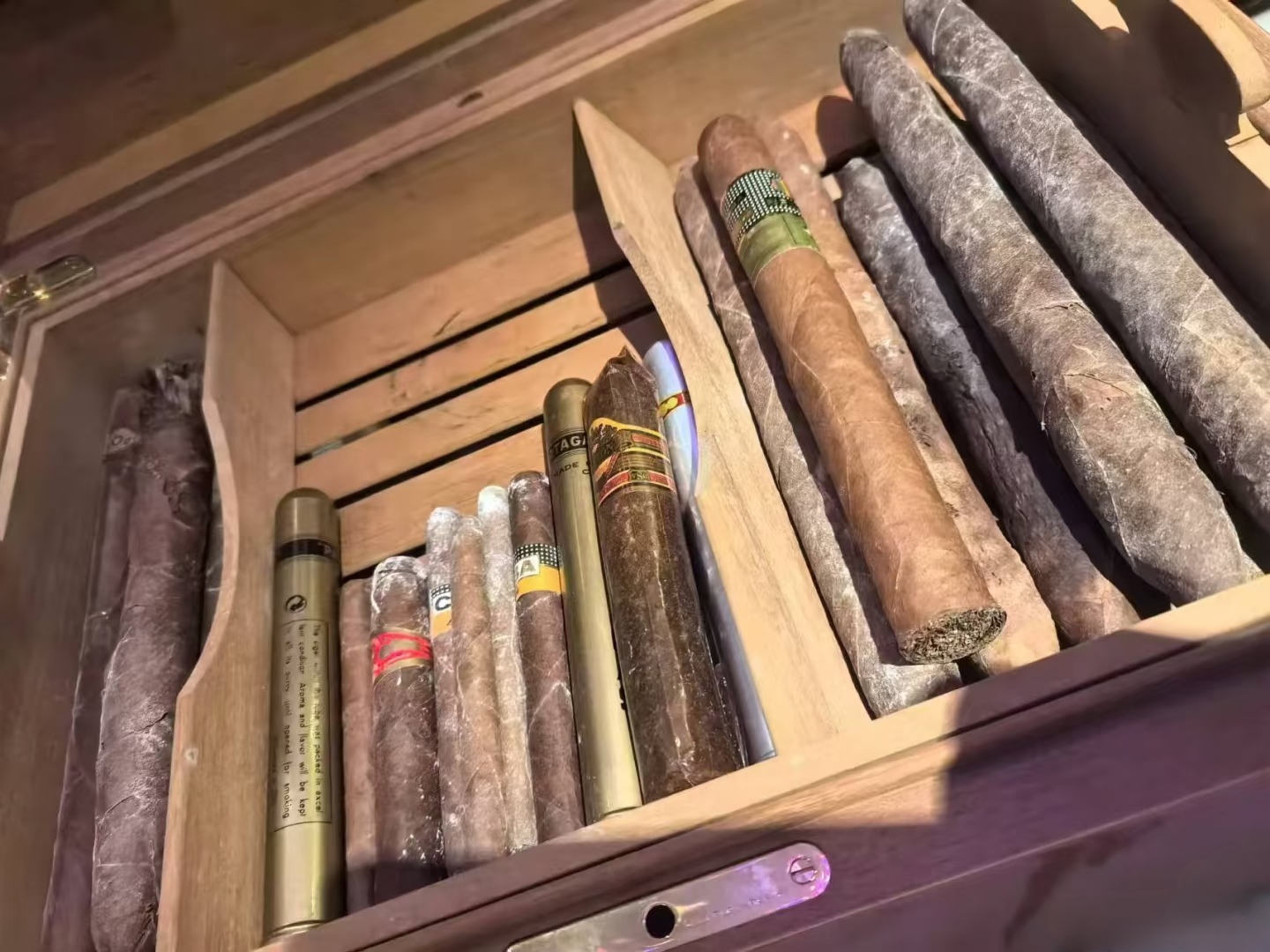
2. **Rehydrate slowly.** Use a sealed container with a Boveda pack. Increase humidity gradually over **2-3 weeks** to avoid splitting.
3. **Rest.** Allow at least **one month** in a stable humidor for oils to redistribute.
**For Cold-Exposed Cigars:**
1. **Thaw in packaging.** Let the sealed box or bag reach room temperature for 24 hours to prevent condensation.
2. **Inspect for cracks.** Minor damage may heal with proper humidification.
3. **Condition normally.** Store in your humidor for several weeks.
## When to Give Up
Some damage is irreversible:
* **Severe mold** (fuzzy, colored spots).
* **A sour, ammonia-like smell.**
* **Multiple deep wrapper cracks.**
* **Signs of beetle infestation** (tiny holes).
## The Verdict
**Patience is key.** Cigars exposed to brief, mild temperature swings can often be revived with slow, careful restoration. The process cannot be rushed.
**Prevention Tip:** Maintain a stable humidor with two-way humidity control packs, and consider insulated shipping during extreme seasons.
While not ideal, a journey through heat or cold doesn't have to be the end. With proper care, you can often salvage your cigars and enjoy the rich, smooth smoke you anticipated.