In the quiet art of tea, time is the unseen artisan. It works silently within each leaf, guiding raw emerald greens into deep, roasted oolongs, transforming sharp young pu’erh into a mellow, earthy treasure. This alchemy cannot be rushed; it is a patient dialogue between leaf and season, a gradual surrender to the gentle hands of oxidation and fermentation. Time, indeed, is the ultimate master tea maker.
Yet, this master requires a faithful steward. Left exposed, tea’s delicate soul—its complex aromas and essential oils—flees, stolen by light, humidity, or foreign odors. This is where the tea cabinet enters, not as mere storage, but as a guardian. It is the silent sanctuary where time’s work is preserved and protected.
A true tea cabinet is a vow to quality. Crafted from seasoned cedar or airtight stainless steel, it maintains the perfect dark, cool, and dry equilibrium. Within its space, each variety rests in its dedicated vessel, separated to allow their unique characters to mature without interference. Here, a high-mountain oolong deepens its floral bouquet, and a compressed tea cake slowly breathes, evolving year after year.
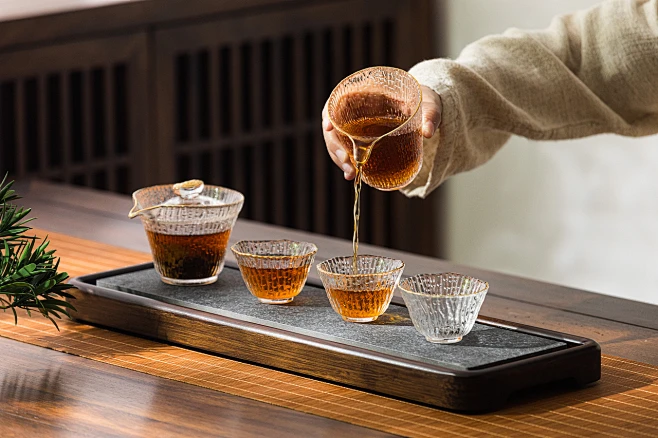
More than an object, this cabinet becomes the heart of the tea journey. Opening its door is a ritual—the faint, aged aroma whispers promises. It curates not just tea, but moments: the focused solitude of a morning session or the shared warmth of an afternoon with friends. It reminds us that the finest things, like well-kept tea and meaningful connections, are worth waiting for and guarding.
In a world that prizes speed, the alliance of time and the tea cabinet teaches a profound lesson. It celebrates slow craftsmanship and mindful preservation. As we sip a tea that has journeyed through years in its guardian’s care, we taste patience itself. We are reminded that while time crafts the legacy, it is our care—embodied in the keeper, the cabinet—that allows that legacy to fully unfold.